My Experience with Our Condition
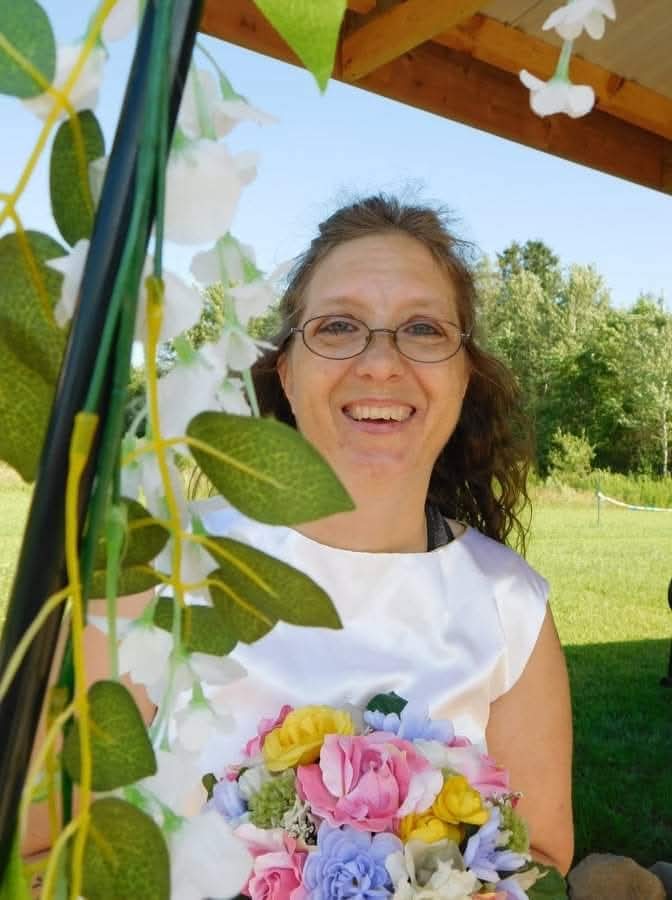
My name is Ann Lamphere. I grew up surrounded by uncertainty and loss, watching everyone on my father’s side of the family develop colon cancer and, heartbreakingly, pass away from it. For years, there was no clear diagnosis—just a shadow that hung over our family. Without knowing exactly what we were facing, I grew up believing that I, too, would one day share the same fate.
It took me years to get a proper diagnosis. Even when I had my first EGD and colonoscopy in 1995, where they found polyps, I was told they were nothing to worry about and to come back for a repeat at 55 years old—despite my family history of colon cancer on my dad’s side. Not long after, my dad was diagnosed with colon cancer and passed away in 1996. The lack of answers and attention to our family history left me anxious and uncertain for many years.
Testing and Diagnosis
Beginning in the summer of 2016, I started experiencing a host of bowel issues. I was living in the bathroom, constantly feeling the urgent need to empty my bowels—even when there was nothing there. It became impossible to ignore, and by January 2017, I finally gave in and went to the doctor.
Given my family’s history with colon cancer, my doctor decided it was time for a repeat EGD and colonoscopy. This time, the results were alarming: I had a complete carpeting of stomach polyps and polyps throughout my colon. The findings were so significant that I was referred to the Neoplasia Clinic at another hospital, where they specialized in familial adenomatous polyposis (FAP).
At my very first meeting with the specialist, he told me—with 100% certainty—that I had FAP. I was in complete disbelief. How could I have this, and how could so many doctors have missed it for so long? I felt angry and defeated; in that moment, the diagnosis felt like it sealed my fate.
My next step was to get a genetic test to confirm, beyond a doubt, that it was FAP. That was the only positive I could focus on at the time: finally getting clear answers. Thankfully, my genetic counselor agreed to fight with the insurance company so I could get the test covered. All I had to do was show up and give my blood samples.
The wait for results seemed endless. In fact, I had my total proctocolectomy before I even got the results back. When the results finally arrived, there was no surprise: I had a deleterious deletion of the APC gene, confirming that I did indeed have FAP.
Coping and Finding Care
Receiving my diagnosis was overwhelming. At first, I felt lost, angry, and defeated. I knew I needed more than just medical support, so I sought mental health support to help process everything I was feeling. I had to learn to live with my FAP—I didn’t want to be just a FAP patient, and I absolutely didn’t want it to define who I was. As the initial shock faded, I realized I had to move forward. I began educating myself about FAP and seeking out others who understood what I was experiencing. Building a team of supportive healthcare providers and connecting with loved ones helped me find hope and strength.
Now that I am receiving proper care, my outlook has changed. Regular monitoring and proactive treatment bring me peace of mind, and I feel empowered to make choices that support my health. I’ve learned to live with uncertainty, but I no longer feel defined by it. Instead, I focus on living fully and appreciating each day.
Turning My Experience into Advocacy
As I adjusted to life with FAP, I found myself getting angry—not just about my own experience, but about the possibility that others might go through the same struggles and delays. I wanted everything I had been through to mean something. That’s when I decided to start sharing my story. If opening up about my journey could help save just one life or encourage someone to seek answers, then everything I endured would be worth it. Advocacy became a way for me to channel my anger into purpose and to connect with others who needed support and hope.
Takeaways from My Diagnosis
Looking back on my journey with FAP, I’ve learned several important lessons that I hope can help others facing a similar diagnosis.
First, knowledge is empowering. As frightening as it was to hear the words “familial adenomatous polyposis,” finally having a diagnosis allowed me to take control of my health. It gave me the information I needed to make decisions and seek the best possible care.
I also learned the importance of advocating for myself. Sharing my family history and pushing for answers made a critical difference in my journey. If something doesn’t feel right, trust your instincts and don’t be afraid to speak up.
Another key takeaway is that you are not alone. Support can come from the people you expect—like family and friends—but also from unexpected places, whether it’s a pharmacist, a member of law enforcement, or someone you meet in a support group. Allow yourself to accept help and reach out when you need it.
Living with FAP has taught me resilience and the importance of adapting to a new normal. It’s not always easy, but it is possible to find joy, purpose, and fulfillment again. I have learned to celebrate progress, no matter how small, and to be patient with myself during setbacks.
Most of all, I want others to know that there is hope. Medical advancements and supportive communities continue to grow, making it possible to live a meaningful and vibrant life after an FAP diagnosis. If you’re facing FAP, know that you are stronger than you think, and you do not have to walk this path alone.
About Me